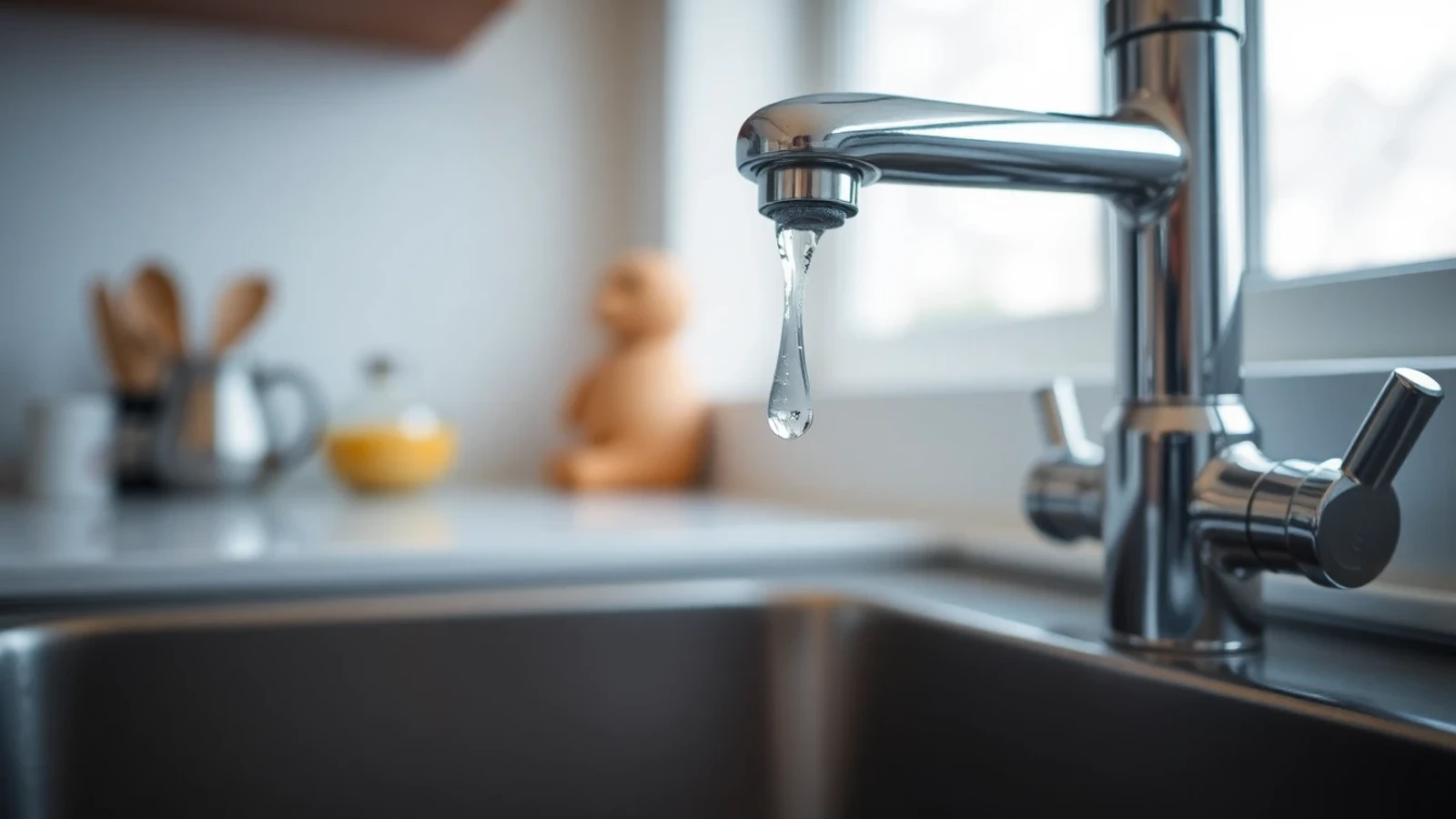
TL;DR A dripping tap or a toilet that won't stop refilling rarely feels urgent, which is exactly why so many go unfixed for months at a time. Left alone, both waste water continuously, can add a noticeable amount to a metered household's water bill over a year, and usually point to a worn washer, cartridge, or flush valve — a straightforward repair rather than a sign of anything more serious. If a tap or toilet in your Bristol home has been dripping or running for a while, request a fixed-price quote through our contact form and we'll get it sorted.
Why Taps Start Dripping Most dripping taps come down to wear in one of a small number of components. Older-style taps with a separate hot and cold supply typically use a rubber washer that compresses against a valve seat to stop the flow; over years of use, that washer hardens, wears unevenly, or perishes, and the tap starts to drip from the spout even when fully closed. Modern mixer taps generally use a ceramic disc cartridge instead of a washer — these last far longer, but when they do fail, the tap usually needs the cartridge replaced rather than a simple washer swap.
A drip that appears gradually, getting slightly worse over weeks or months, is classic wear. A tap that suddenly starts dripping hard after being fine the day before is more often a sign that something has actually failed — a cracked valve seat, a damaged O-ring, or debris from mains work lodged in the mechanism.
Why Toilets Keep Running A toilet that keeps refilling, or that you can hear topping itself up periodically without being flushed, almost always comes down to the cistern rather than the pan. The flush valve — the rubber or plastic seal at the bottom of the cistern that should seal shut once flushing is complete — is the most common culprit; if it doesn't seat properly, water continuously seeps from the cistern into the pan, and the fill valve keeps topping the cistern back up to compensate. A worn or wrongly adjusted float mechanism is the other frequent cause, letting the cistern overfill until it drains away through the overflow.
Both faults are usually audible if you listen carefully a few minutes after a flush: a hissing or trickling sound with no obvious source means the cistern isn't sealing.
Hard Water and Bristol's Older Plumbing Bristol's moderately hard water plays a part in how quickly these small leaks develop. Mineral deposits build up on washers, valve seats, and flush valve seals over time, preventing them from forming a clean seal even when the component itself isn't badly worn. We've covered how hard water affects plumbing across Bristol in more detail in another guide on this site — the same scale buildup that causes problems in boilers and heating systems also shortens the working life of tap washers and cistern seals.
When It's a Quick Fix and When It Isn't A single dripping tap with an accessible isolation valve is often a short job — cutting the local supply, replacing the washer or cartridge, and testing the repair. A running toilet is usually similarly straightforward if it's the flush valve or float mechanism at fault. What turns either job into something bigger is a seized isolation valve that won't shut, meaning the whole supply has to come off at the stopcock, a tap body that's corroded or cracked rather than just worn internally, or a cistern with multiple ageing components that are all close to failing together — in which case replacing the whole fill and flush mechanism is often more sensible than patching one part at a time.
What a Small, Continuous Leak Actually Costs You It's easy to dismiss a drip as trivial because the amount at any one moment looks negligible. The reality is that both a dripping tap and a running toilet leak continuously, around the clock, for as long as they're left — which adds up to a real, ongoing draw on a metered supply over weeks and months, even though no single moment looks dramatic. Beyond the water bill, constant dripping stains baths, basins and toilet bowls with limescale that gets harder to remove the longer it's left, and a cistern that never stops working wears its own components out faster, turning a simple washer job into a full mechanism replacement if it's ignored for long enough.
FAQs
Can I fix a dripping tap myself? If you're comfortable turning off the isolation valve or stopcock and the tap comes apart cleanly, a washer or cartridge swap is a manageable DIY job for many people. If the isolation valve won't turn, or the tap is old enough that parts aren't a straightforward match, it's worth getting it looked at rather than forcing anything.
Why does my toilet only run intermittently rather than constantly? Intermittent running usually means the flush valve is sealing most of the time but not consistently, often because of a small amount of debris or scale sitting on the seal. It will typically get more frequent over time rather than resolve on its own.
Is a running toilet a sign of a bigger plumbing problem? Not usually. It's most often a worn or scaled cistern component rather than anything affecting the wider plumbing system. That said, if you've also noticed reduced pressure or drips elsewhere in the property, it's worth mentioning when you get in touch, since hard water scale tends to affect several fittings at a similar age around the same time.
Request a Fixed-Price Quote If a tap or toilet in your home has been dripping or running for a while, get in touch through our contact form and request a fixed-price quote online. We handle tap repairs and toilet repairs across Bristol, including Bedminster and the surrounding area.
#drippingtaprepair
#runningtoilet
#hardwater
#Bristolplumbingmaintenance