TL;DR Landlords letting property in Bristol must have gas appliances, flues and pipework checked every 12 months by a Gas Safe registered engineer, and must give tenants a copy of the resulting safety record. Bristol's large private rental sector — from Victorian terraces split into flats in Redland to family lets in Bedminster — means certificates lapse more often than owners realise, usually because a renewal date is missed rather than any deliberate oversight. If a check is due or overdue, get in touch through our contact form and we'll get it booked in.
What the Law Requires of Landlords Under UK gas safety regulations, anyone who lets a property with a gas appliance — a boiler, gas fire, gas hob or gas water heater — has a legal duty of care to their tenants. That duty covers three things: an annual safety check on every gas appliance and flue in the property, maintenance of pipework and appliances so they remain safe to use, and a written record of each check given to the tenant. The check has to be carried out, and the record signed, by an engineer who is Gas Safe registered — the successor to the old CORGI scheme, and the only body legally allowed to certify gas work in Great Britain.
This applies whether the property is a single let, a house in multiple occupation (HMO), or a short-term managed let. It applies to landlords with one flat and to those managing a whole portfolio across the city.
What a Gas Safety Check Actually Covers A landlord gas safety check is a physical inspection, not a paperwork exercise. The engineer checks that each appliance is burning correctly, that the flue is clear and correctly terminated, that ventilation to the appliance is adequate, and that gas pressure and flow are within the appliance manufacturer's limits. They also carry out a tightness test on the installation pipework to check for leaks. Any fault serious enough to make an appliance immediately dangerous means it gets disconnected on the spot, with the landlord notified so it can be repaired or replaced before it's used again.
The result is recorded on a Landlord Gas Safety Record (still often called a CP12, its old form number). This lists every appliance checked, the outcome, and any defects found. It's this document — not a verbal assurance — that satisfies the legal requirement.
Timing and Giving Tenants Their Copy The 12-month check has to happen no more than 12 months after the previous one, which in practice means booking the renewal a few weeks early rather than right up against the expiry date. A copy of the record has to reach existing tenants within 28 days of the check, and new tenants have to receive a copy before they move in. For short lets of under 28 days, the record has to be displayed at the property instead.
Missing the renewal window doesn't just create a compliance gap — it can also affect a landlord's ability to serve a valid Section 21 notice in England, since a current gas safety record is one of the documents that has to have been provided to the tenant.
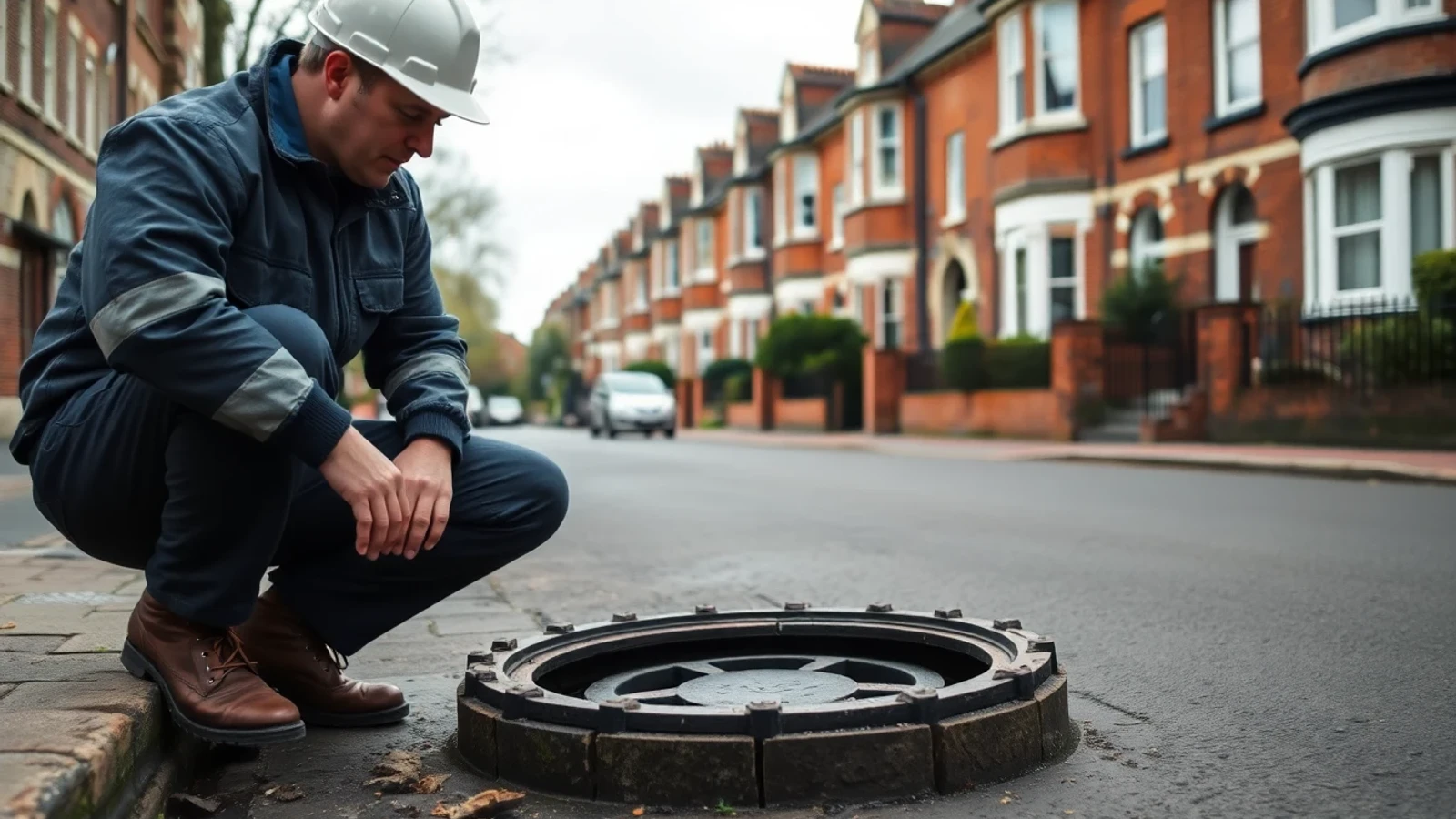
Bristol's Rental Stock Makes Certificates Easy to Lose Track Of Much of Bristol's private rented housing sits in Victorian and Edwardian terraces originally built as single family homes and later converted into flats — common across Redland, Bedminster, Easton and the streets around Gloucester Road. Conversions like these often mean shared gas risers, meters in awkward cupboards, and appliances installed by different owners at different times. When a terrace has been split into three or four lets, it's easy for one flat's renewal date to fall through the cracks, especially with a change of managing agent or a tenancy that runs on past its original term.
Purpose-built student housing and larger HMOs bring a different challenge: more appliances per property, and often a shorter annual cycle to keep straight across a whole portfolio.