TL;DR Bristol rarely sees the sustained sub-zero cold of northern England, but the city's stock of Georgian and Victorian terraces has particular weak points once temperatures do drop. Later additions and extensions often route pipework through unheated voids that were never part of the original build, converted flats can share risers running through cold stairwells, and the steep, exposed streets around Clifton and Redland catch a sharper wind chill than flatter parts of the city. A frozen pipe isn't just an inconvenience — left alone, expanding ice can split the pipe, and the real damage often only shows up once it thaws. If water has stopped running to a tap and you suspect a freeze, let us know through our contact form and we'll help you work out what's happening.
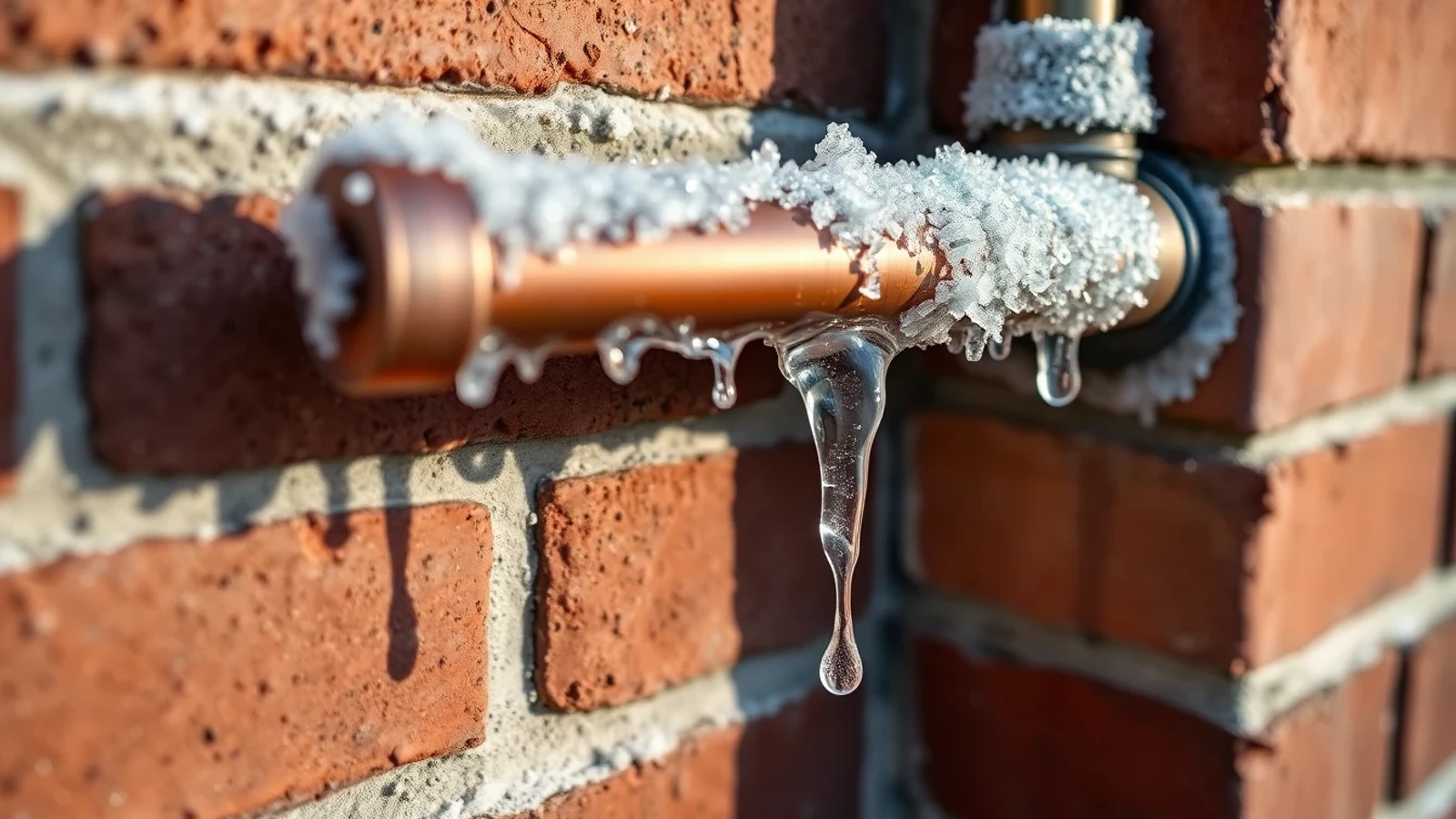
Why Period Properties Freeze Differently A pipe run designed and insulated as part of a single build behaves very differently from one added decades — or a century — later. Many Bristol terraces have been altered repeatedly since they were built: bathrooms added into former box rooms, kitchens extended into old outbuildings, whole houses split into flats with new pipework threaded wherever it would fit. Those later additions frequently end up running through spaces that were never designed to be part of the heated envelope of the building — a lean-to extension roof void, a gap behind a chimney breast, or a pipe clipped along an external wall in a rear yard.
Original Victorian plumbing, where it survives, tends to run in more sheltered positions close to internal walls and chimney breasts, which were historically the warmest parts of the house. It's usually the later, cheaper, or more hastily installed sections that cause trouble in cold weather.
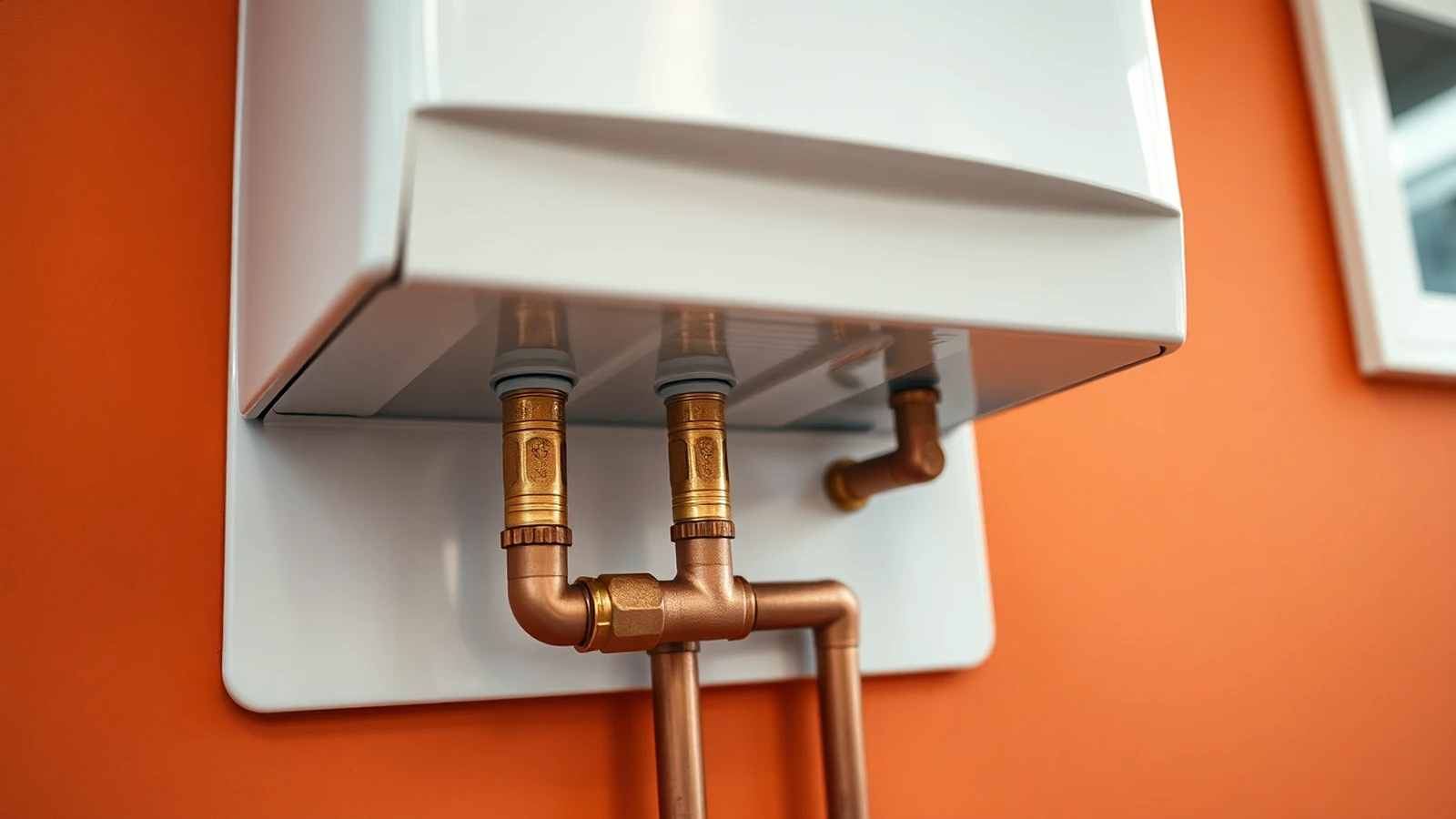
Where to Check First in a Converted Terrace If a Bristol terrace has been split into flats, each flat's water supply typically branches off a shared riser that runs up through the building, often through an unheated stairwell, hallway cupboard, or a service duct that gets no benefit from any flat's heating. These shared sections are a common source of freezing in converted properties, and because the pipework often isn't clearly visible to any one occupier, a freeze can go unnoticed until someone finds no water coming from a tap.
Loft conversions carry their own risk: pipework serving a top-floor flat or converted attic room frequently runs close to the roofline, with only the loft insulation between it and the outside air. Where insulation has settled, been disturbed by previous work, or simply wasn't fitted around the pipe run in the first place, that section becomes the coldest point in the whole system.
Steep Streets, Colder Corners The hillside terraces around Clifton and Redland sit higher and more exposed than much of central Bristol, and on a still, clear winter night that difference in wind exposure can matter. External pipework, outside taps, and any plumbing in an unheated basement or converted cellar in these areas are worth particular attention before a cold snap arrives, since the combination of altitude, exposure, and older building fabric adds up.
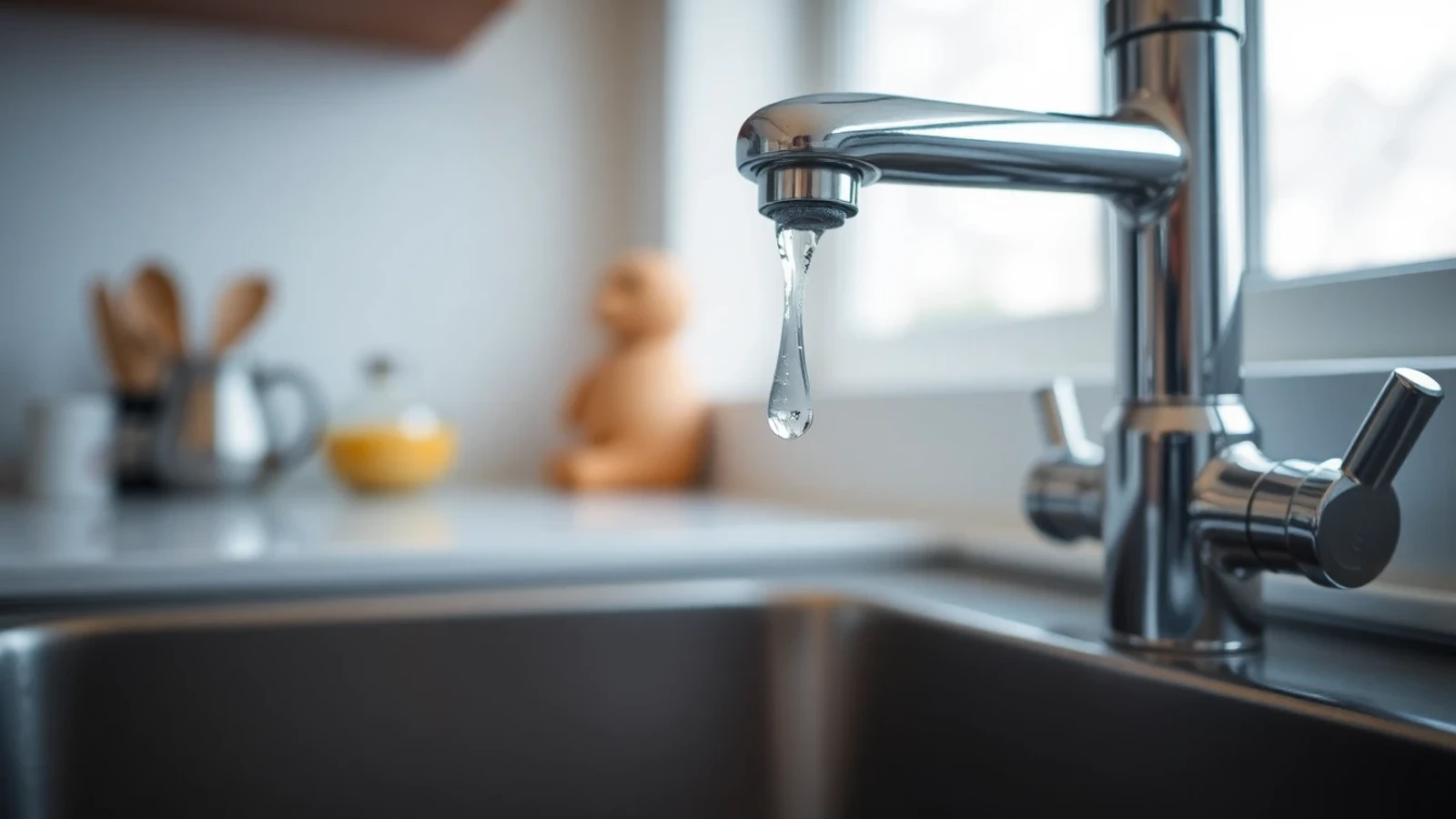
What to Do the Moment You Suspect a Frozen Pipe If a tap has stopped running, or is only producing a trickle, don't assume the problem will resolve on its own. Turn off the stopcock as a precaution — this limits the damage if the ice has already caused a split that only becomes obvious once it thaws. Open the affected tap slightly so that once the ice does clear, water has somewhere to go rather than building pressure behind a blockage. Never use a naked flame to try to thaw a pipe; a hairdryer, or towels soaked in warm water applied gently along the pipe, are safer options for a section you can access, but pipework hidden inside walls or floor voids is not something to attempt to thaw yourself.
If you can't access the frozen section, or if you notice any sign of a split — a damp patch, a bulge in the pipe, or water appearing once it does start to flow again — that's the point to get in touch through our contact form rather than waiting to see what happens.